This Isn’t Just a Deal. It’s a Signal.
On the surface, it looks like a massive consolidation.
Unilever merging its food division with McCormick in a deal reportedly valued between $45–65 billion.
But underneath it?
This is something bigger.
One of the largest CPG companies in the world is quietly moving away from food.
What Actually Happened
Unilever — the company behind brands like:
- Hellmann’s
- Knorr
- Lipton
…has been exploring a combination of its food business with McCormick, a global leader in spices, seasonings, and flavor systems.
Instead of continuing to operate food internally, Unilever is effectively:
Spinning it into a more focused, scaled entity
This isn’t a shutdown.
It’s a strategic repositioning.
Why This Deal Exists
1. Food Became a Low-Growth Business
Traditional packaged food:
- grows slowly
- faces pricing pressure
- competes heavily with private label
Margins are tighter. Innovation is slower.
For a company like Unilever, that’s a problem.
2. McCormick Is Built for This Category
McCormick isn’t trying to be everything.
It’s focused on:
- flavor
- ingredients
- global food systems
By combining forces, the new entity becomes:
A category specialist, not a generalist
That’s where scale actually matters.
3. Unilever Is Reallocating Capital
This is the real story.
Unilever isn’t just restructuring.
It’s shifting focus toward:
- wellness
- supplements
- personal care
- high-margin, repeat-use products
Recent acquisitions:
- Nutrafol
- SmartyPants
- Olly
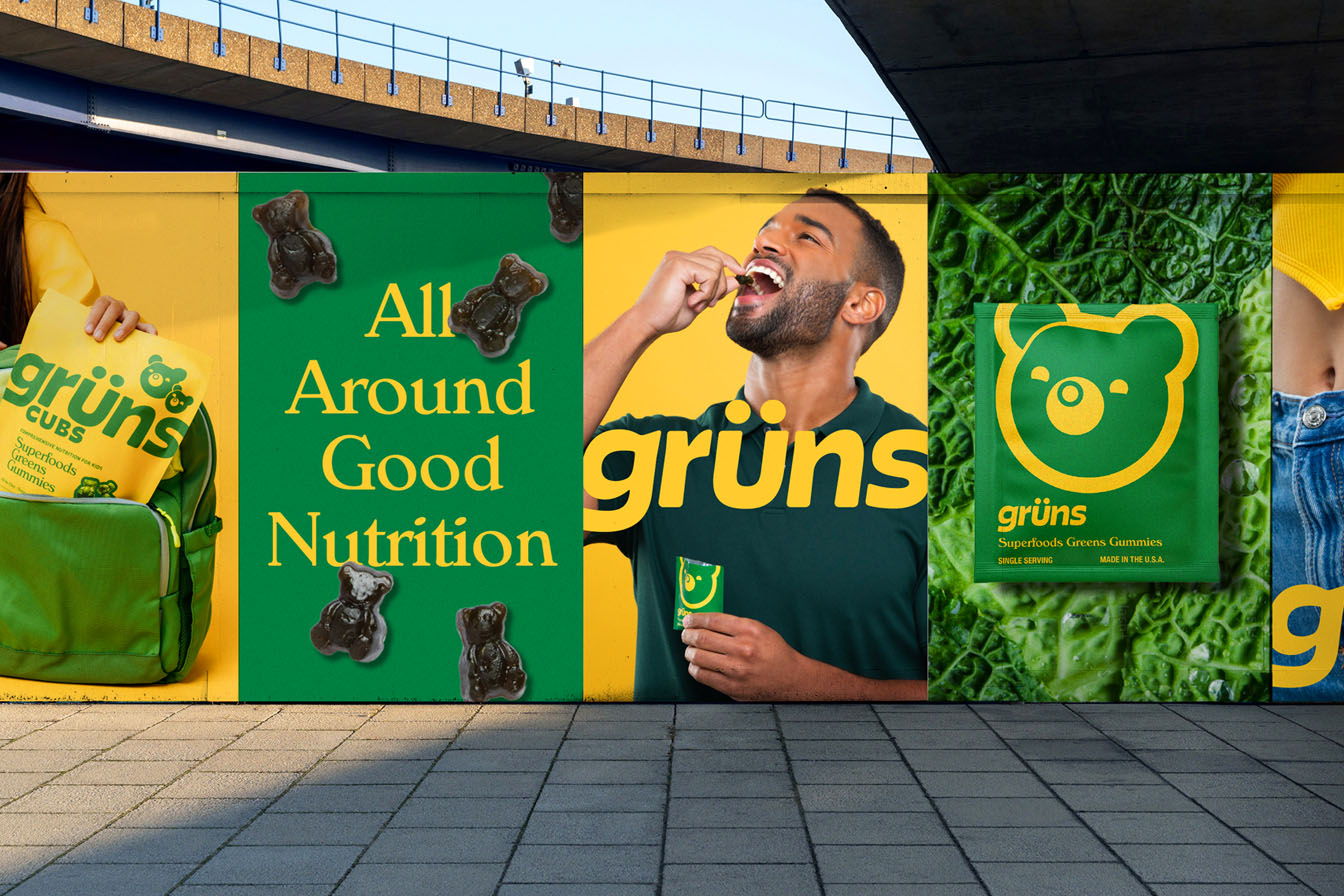
- Grüns
That’s not random.
That’s a strategy.
What This Means for CPG
1. The Center of Gravity Is Shifting
For decades, CPG was built on:
- packaged food
- grocery store dominance
Now?
Growth is moving to:
- supplements
- functional products
- personal care
Daily-use, high-margin categories.
2. Generalists Are Losing. Specialists Are Winning.
Old model:
- one company owns everything
New model:
- focused operators dominate specific categories
This deal reflects that shift.
3. Portfolio Pruning Is the New Normal
Big CPG companies are:
- selling off slower-growth divisions
- doubling down on high-growth segments
Not everything deserves to stay in the portfolio.
Even legacy categories.
The Real Takeaway
This isn’t about Unilever.
It’s about direction.
The future of CPG isn’t built on shelf-stable food.
It’s built on:
- behavior
- daily habits
- high-frequency consumption
Food doesn’t disappear.
But it becomes:
less strategic
For Operators
If you’re building in CPG, ask:
“Are we in a category that compounds… or one that plateaus?”
Because:
- Scale alone isn’t enough anymore
- Growth + margin is what matters
And capital is moving accordingly.