From Nightclubs to Hotels: How Musicians Are Quietly Taking Over Hospitality
From Nightclubs to Hotels: How Musicians Are Quietly Taking Over Hospitality


Music - November 22, 2025
The most powerful artists aren’t chasing hits — they’re creating destinations
Concerts used to end at the merch table. Now they end in hotels, nightclubs, restaurants, and entire lifestyle empires.
Somewhere between the death of the traditional record label and the rise of the global tour economy, a quiet shift happened in music. Artists realized they were doing more than selling out venues — they were generating energy. Cultural energy. Nightlife energy. Tourism energy. The kind of energy that doesn’t vanish after the encore but hangs in the air, waiting for a place to live.
And musicians, finally, started building those places.
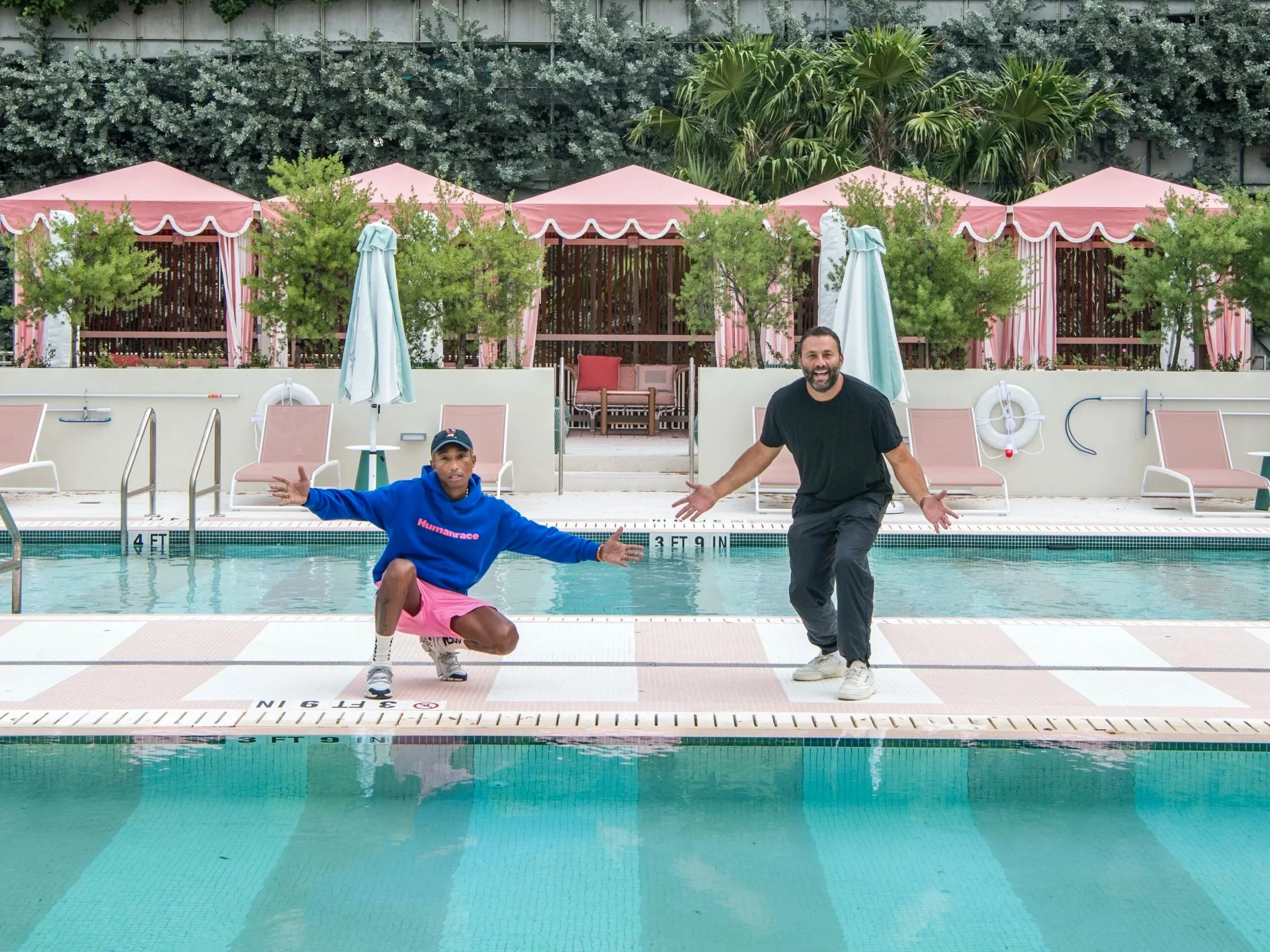
Pharrell Williams was one of the first to fully understand this. The Goodtime Hotel in Miami isn’t just a project — it’s a physical extension of his touring aura, a pastel fantasy where the vibe is the product. His restaurant Swan became an instant celebrity magnet. His partnership with Groot Hospitality effectively made him a co-designer of Miami’s cultural engine. Pharrell didn’t just take the stage. He took the city.
Drake followed with a different blueprint: turning Toronto nightlife into a global export. His equity stake in OPUS Nightclub, his restaurant ventures like Pick 6ix, his hand-in-glove collaborations with nightlife operators — all of it points to one thesis: if millions of people want to live inside your music, why not own the rooms they celebrate it in? Drake’s real empire isn’t just streaming; it’s velvet ropes, table minimums, and club deals that spin off cash long after the album cycle ends.
Kygo pushed the model into lifestyle territory. Palm Tree Crew started as a sun-drenched DJ identity and evolved into a global leisure conglomerate — a festival series in the Hamptons, Aspen, Croatia, then into branded villas, luxury nightlife activations, and resort partnerships. What began as dance music became an international hospitality ecosystem. Kygo didn’t build a fanbase; he built a world.
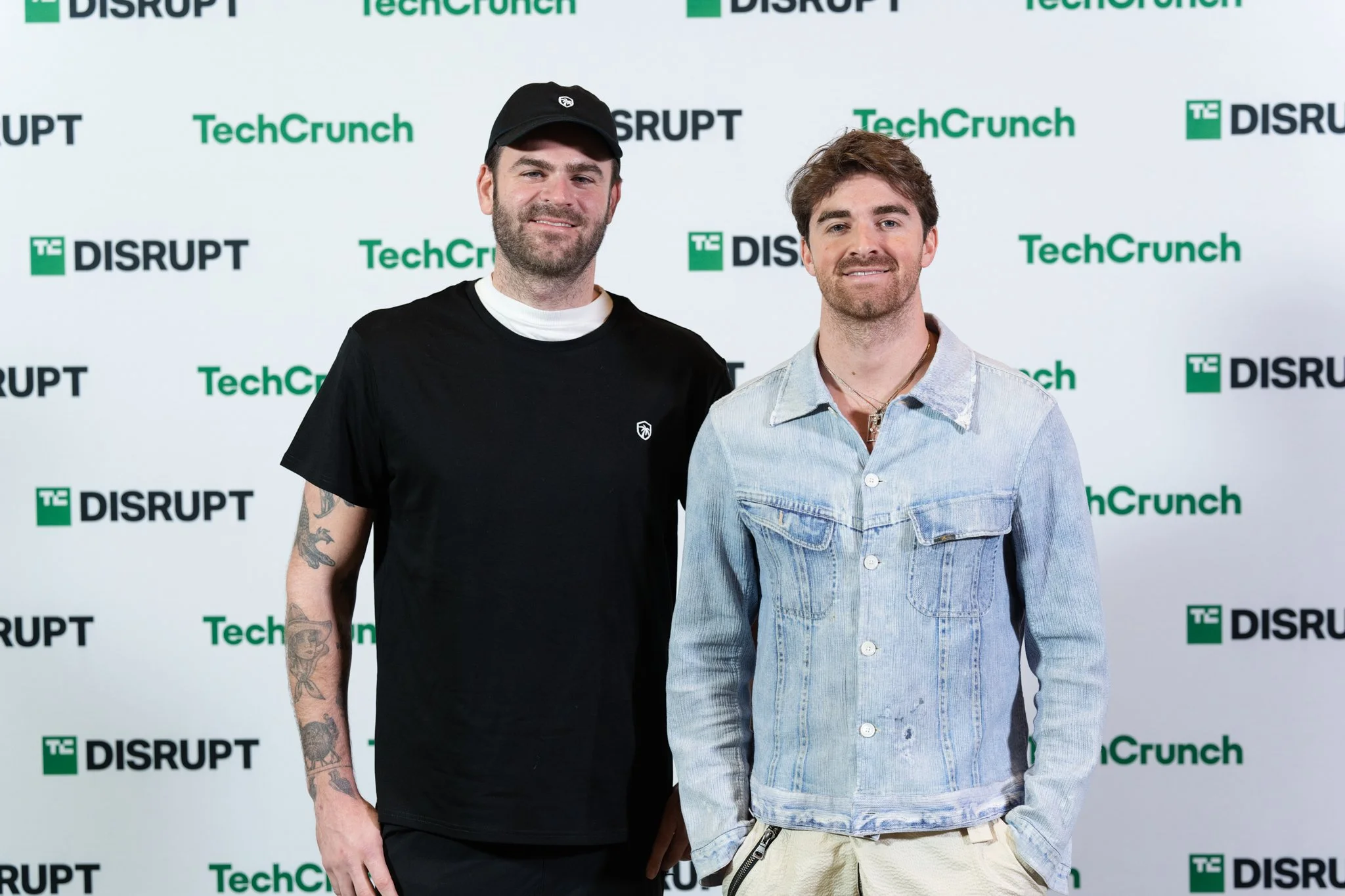
The Chainsmokers took the Vegas-residency model and treated it like an MBA program. Years on the Strip gave them inside access to the machinery of nightlife — operators, margins, foot traffic, bottle service economics. They turned that knowledge into JAJA Tequila, a brand engineered for the exact environments that made them famous. Their venture firm, Mantis, invests in hospitality tech and consumer products, turning late-night energy into a formal investment pipeline. Their real business starts where the show ends.
Bad Bunny accelerated the trend into something geographic. His Japanese steakhouse Gekkō — co-owned with Groot Hospitality — instantly became a Miami power room. In Puerto Rico, his restaurant and nightlife ventures are reshaping local tourism. He didn’t just globalize reggaetón. He turned fame into physical real estate, into destinations built on the gravitational pull of his touring presence.
And then there’s Jay-Z — the clearest architect of the touring-to-hospitality conversion. The 40/40 Club launched in 2003 as one of the first artist-owned nightlife brands with real expansion ambition. Its flagship inside the Barclays Center showed how an arena, a musician, and a hospitality brand could integrate into a single economic engine. His liquor portfolio — D’USSÉ and Ace of Spades — dominates the bottle-service economy. Made in America blurred the boundary between festival and hospitality platform. Jay-Z saw the future before the future knew what it was: tours create demand, but hospitality owns the destination.
Individually, these moves look like passion projects. Taken together, they represent a structural shift in the music industry: artists turning touring momentum into hospitality infrastructure. Hotels, nightclubs, restaurants, spirits, festivals, experiential real estate — the physical world becoming the new merch table.
The music ends.
The world stays open.
And that world, increasingly, is artist-owned.