The Chainsmokers’ Most Surprising Hit Yet: A $225M VC Fund
The Chainsmokers’ Most Surprising Hit Yet: A $225M VC Fund


Music - November 22, 2025
Their third fund closes at $100M and backs companies in AI, cybersecurity, and frontier tech—with founders praising them as true operators.
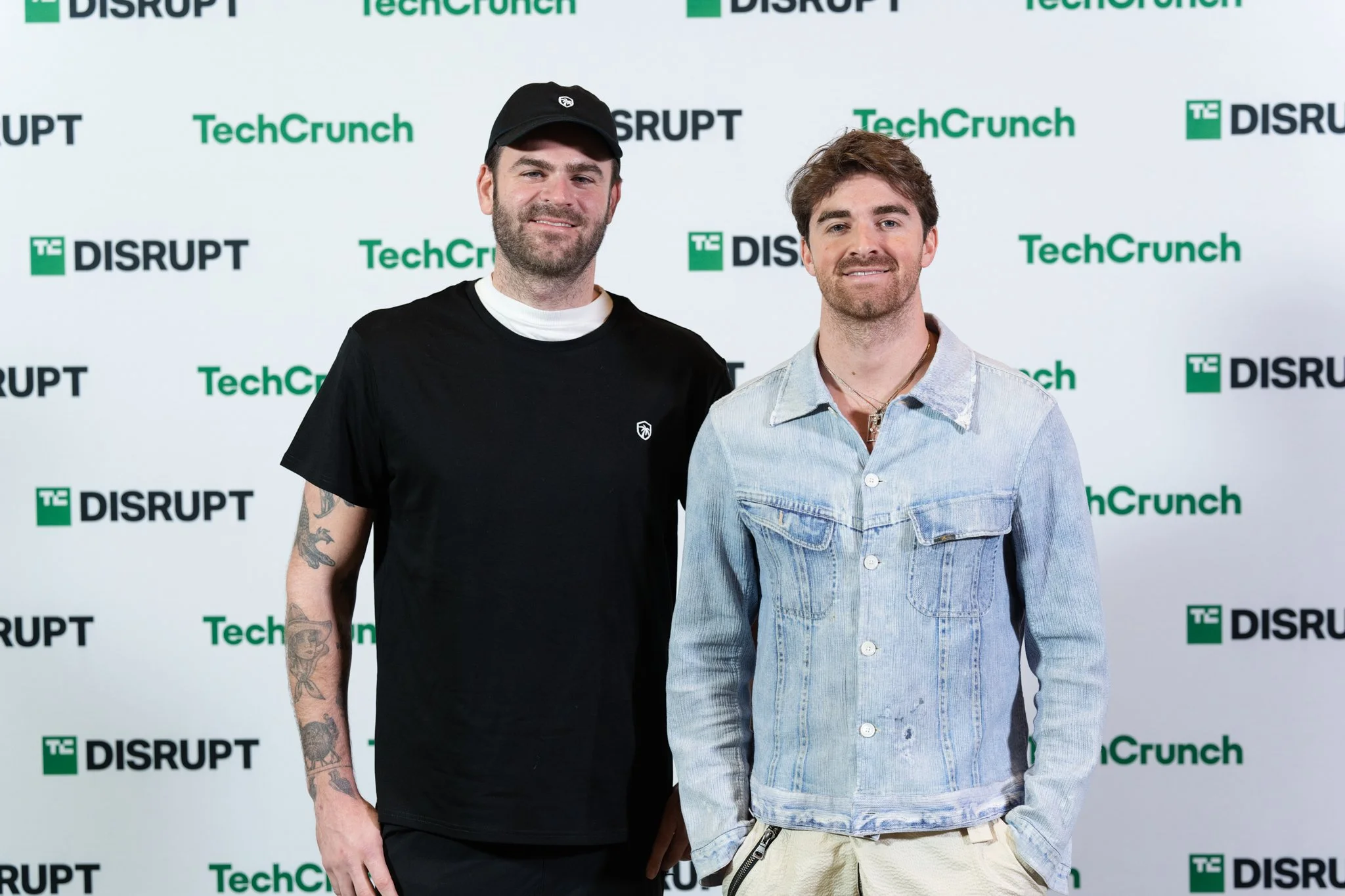
The celebrity-investor stereotype — a musician with a tiny angel check and a big announcement — doesn’t apply here anymore. The Chainsmokers’ Mantis VC just closed a $100 million third fund, lifting their total AUM to roughly $225 million. That’s not a hobby. It’s a signal: these guys came to build something that lasts.
Mantis launched in 2019 with a seriousness most people missed. They weren’t dabbling. They built an actual early-stage firm with real partners, real diligence, and a thesis that had nothing to do with celebrity-branded consumer fluff. And now their LPs are rewarding that discipline: Fund III is roughly 25% larger than their previous vehicle. You don’t raise more money in a tight venture market unless the last fund actually performed.
And yes — Mantis has receipts.
According to PitchBook, they’ve logged ~29 exits. CB Insights confirms six publicly disclosed exits, a smaller but more conservative count. Either way, it’s clear they’re not sitting on a stagnant portfolio. Media coverage has even hinted that their debut fund is “performing in the top decile of its vintage.” In early-stage venture, that’s as strong a signal as you’ll ever get without an IPO.
But the deeper proof is in the portfolio quality — not just the quantity. Mantis backs real companies solving real problems:
Chainguard, one of the most respected names in cybersecurity and software supply-chain protection.
Rogo, an AI-driven research platform for financial services.
Dandy, a fully digital dental lab transforming an industry that still mails plaster molds like it's 1974.
Underdog, the fantasy gaming company that became a cultural staple in sports tech.
These aren’t hype brands. These are infrastructure plays — the companies the next decade will quietly run on.
Founders aren’t shy about how Mantis operates either.
Dan Lorenc, CEO of Chainguard, put it plainly:
“The Mantis team is quick to offer assistance. Their partnership helped us accelerate the product and growth of Chainguard even in tough market conditions.”
Rohan Nayak of Mantel echoed the same energy:
“Mantis was a thought partner from the beginning. Their ability to understand what we’re building and then open doors for us has been incredibly valuable.”
And Neuro co-founder Kent Yoshimura added:
“Mantis isn’t afraid to get their hands dirty. They become a real part of the team and push us to think bigger.”
This is the delta between celebrity investors and actual venture partners. One shows up for the launch party. The other shows up for the board calls.
Mantis’s investment strategy is also refreshingly grounded: early-stage, mostly Seed and Series A, with checks in the $500K–$2M range. The sectors are focused: AI, cybersecurity, healthtech, frontier technology, data infrastructure. It’s a thesis that matches both their instincts and their network — a combo that actually matters.
The cultural advantage is obvious. The Chainsmokers reach tens of millions of people a month. Their brand gravity is instant distribution for any consumer-facing startup they back. But their real edge is pattern recognition. To survive a decade at the top of music, you have to be able to predict behavior. To survive in venture, you have to do the same thing — but with products instead of songs.
Zoom out and the story becomes bigger than The Chainsmokers. It’s a picture of a shifting power structure: creators becoming allocators; entertainers becoming fund managers; attention becoming infrastructure. Pall and Taggart didn’t launch Mantis to look sophisticated — they launched it to own a piece of the future.
And judging by Fund III’s $100 million raise, LPs think they’re on the right track.
Mantis VC isn’t a side project.
It’s the main stage.